TL;DR
Reading sits at the confluence of the River Thames and the River Kennet, and much of the town's older sewer network carries foul water and surface water in the same pipes. During sustained heavy rainfall, that combined system can be overwhelmed, and water can back up through toilets, sinks and floor drains in low-lying properties before it ever reaches a river bank. This isn't the same as a blocked drain, and it isn't solved the same way. If you've had water coming back up rather than draining away during wet weather, talk to us online about assessing your property's backflow risk.
Why Reading's Rivers Change How Drains Behave
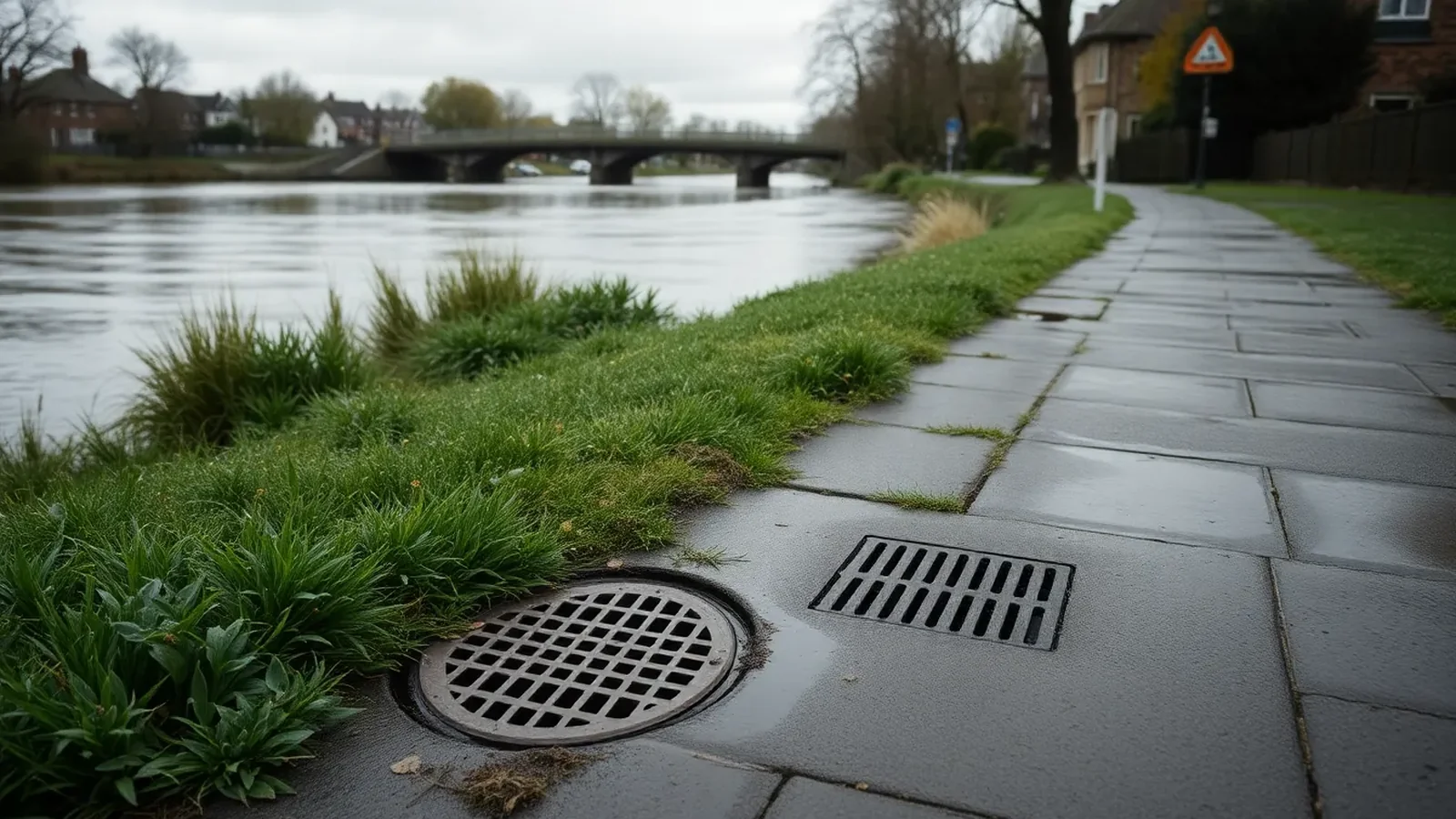
The Thames flows along Reading's northern edge through Caversham, and the Kennet passes through the town centre itself, meeting at Kennet Mouth — often described as the defining feature of the town's drainage landscape. Properties close to this confluence, along the Kennet corridor, and around low-lying ground near Kings Meadow, sit on saturated alluvial deposits where the water table is naturally high even before any rain falls. The Holy Brook, a channel diverted from the Kennet in medieval times that still runs partly culverted beneath parts of the town centre, is a reminder of how much of Reading's watercourse network shapes the ground — and the drainage running through it — while staying almost entirely out of sight.
Thames Water manages the public sewer network across Reading, and in the older parts of town this network is combined — meaning rainwater from roofs and roads shares the same pipe as wastewater from toilets and sinks. In normal conditions that's manageable. During intense or prolonged rainfall, the volume can exceed what the system was designed to carry, and the water has to go somewhere. Reading experienced notable surface water flooding in 2007 and 2014, and the same combined-sewer dynamics remain in place today.
Groundwater Is a Separate Problem From River Flooding
Flooding gets attention when a river visibly rises, but a high water table causes a quieter, more constant version of the same underlying problem. Where the ground around a drain is permanently saturated — as it often is close to the Thames and Kennet corridors — pipe joints that would otherwise stay dry can experience steady groundwater infiltration, adding extra flow into a system that's already working harder than a drain further from the river. Over time, that infiltration can account for a meaningful share of a combined sewer's total flow in the older parts of town, which is one more reason surcharging tends to happen closer to the rivers than it does elsewhere in Reading, even during rainfall that isn't itself unusually severe.
The Difference Between a Blockage and a Backflow Event
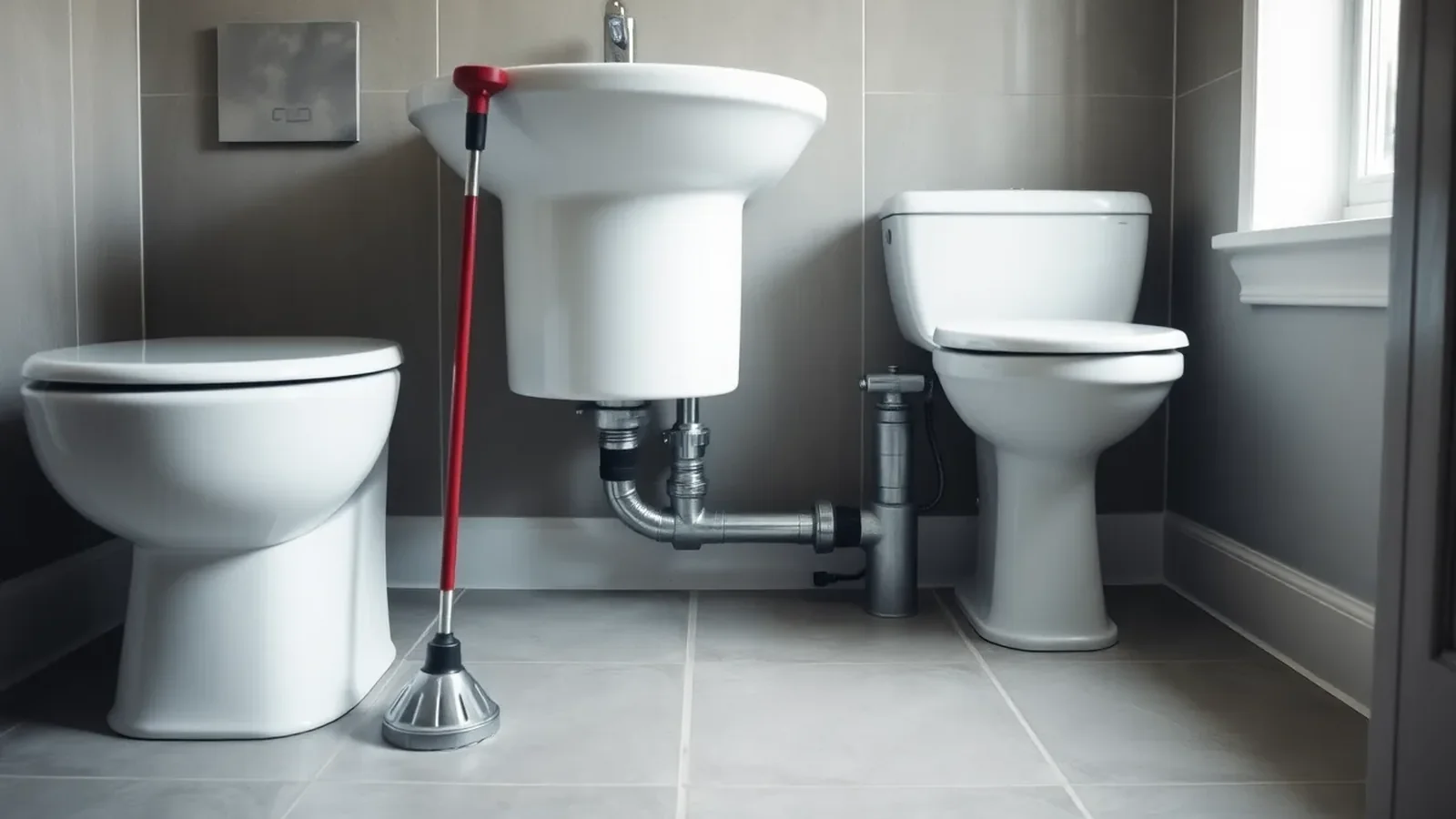
A blocked drain is a localised problem: something is physically obstructing one pipe, and clearing it restores normal flow. A backflow event caused by an overwhelmed sewer is different — the network itself is at capacity, and water is being pushed back up the pipe from beyond your property boundary rather than being trapped by anything nearby. Jetting or rodding a drain that's backing up for this reason won't help, because there's nothing local blocking it. One practical clue to tell the two apart: a backflow event tends to affect several neighbouring properties at roughly the same time, particularly on a shared or combined run, whereas a genuine blockage is usually isolated to a single property or a single fixture. Recognising which situation you're actually dealing with matters, because it changes what kind of visit and equipment is needed.
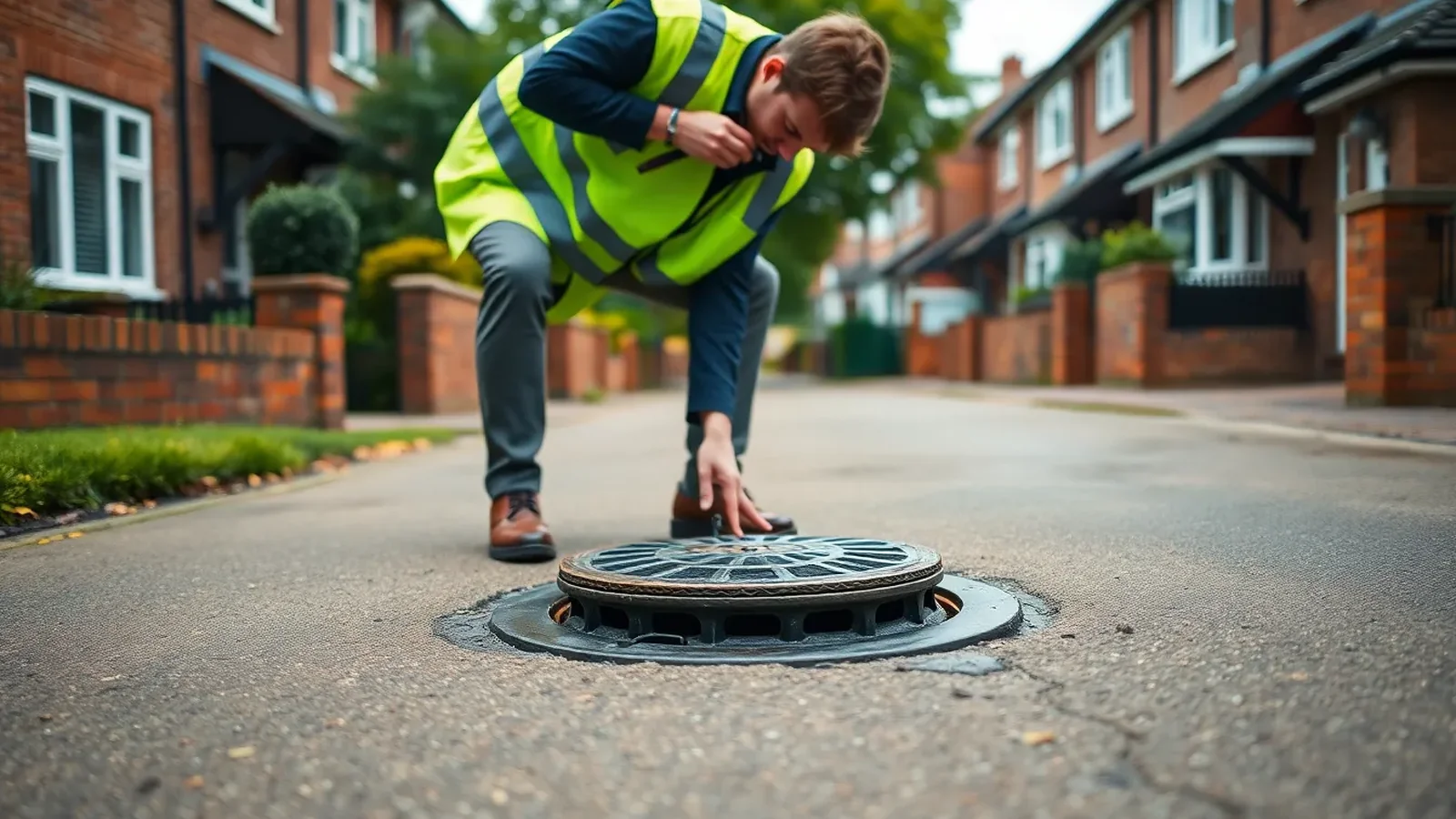
If you're not sure which one applies to your property, a CCTV drain survey can usually tell the difference — confirming whether the issue is a physical obstruction in your own pipework or a symptom of the wider network reaching capacity during heavy weather.
What Actually Reduces the Risk
The Environment Agency maintains flood risk mapping for the Thames and Kennet corridors, and checking your specific property against it is a sensible first step if you haven't already — particularly for homes near the river in Caversham or along the Kennet corridor through the town centre. Beyond that, the most effective property-level protection against sewer backflow is a non-return valve fitted to the drainage connection, which lets water flow out as normal but closes to stop it being pushed back in during a surcharge event. Keeping gutters, downpipes and any surface gullies clear also reduces the volume reaching the combined sewer in the first place, which helps the whole local network cope better during a storm.
None of these measures cost the same for every property, and what's proportionate depends on how exposed a specific address actually is — which is exactly why checking the Environment Agency's mapping for your own property, rather than assuming risk based on general area, is worth doing before spending on any protective measure.
If You're Dealing with Water Coming Back Up Now
A genuine backflow or flooding situation needs an urgent response rather than a scheduled appointment. Our flooding emergency and sewage emergency services are for exactly this — situations where water or foul waste is entering a property and normal drain clearing won't fix it.
We cover Reading and nearby riverside towns including Henley-on-Thames, which faces similar Thames-driven flood risk. Contact us online if you want a property assessed before the next period of heavy rain, or if you're dealing with a backflow issue right now.